| Durga Puja | |||
|---|---|---|---|
|
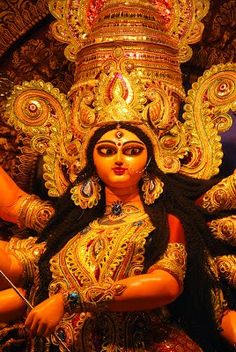
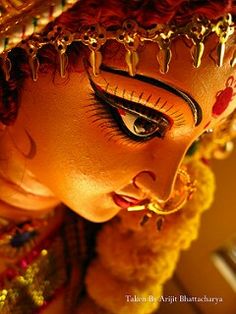
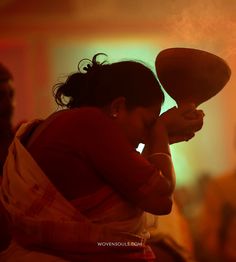
Durga Puja, also known as Durgotsava, is one of the most significant festivals celebrated with unparalleled fervor and grandeur, primarily by the Bengali community but also by people from various parts of India and around the world. This annual Hindu festival commemorates the victory of Goddess Durga over the demon Mahishasura, symbolizing the triumph of good over evil. Spanning over a period of nine days, Durga Puja typically falls in the month of September or October, marking the onset of autumn. The festival is not merely a religious observance but a cultural extravaganza, characterized by elaborate rituals, vibrant decorations, mesmerizing music, energetic dance performances, and sumptuous feasting. The festival officially begins with Mahalaya, which marks the invocation of Goddess Durga and the beginning of her journey to Earth from her heavenly abode. Devotees wake up before dawn to listen to the enchanting recital of "Mahishasura Mardini," a hymn invoking the goddess's blessings and protection. Following Mahalaya, the excitement and anticipation for Durga Puja reach a crescendo as the city streets come alive with bustling activity, illuminated by colorful lights and adorned with decorative motifs. The main celebrations of Durga Puja span across the nine auspicious days known as Navratri. Each day is dedicated to worshipping different forms of Goddess Durga, accompanied by specific rituals and offerings. Devotees throng to the pandals to offer their prayers, seek the blessings of the goddess, and partake in the festivities. The air resonates with the sounds of conch shells, dhak (traditional drums), and devotional songs, creating an atmosphere charged with spiritual energy and joyous revelry. |
 |
||
|
As the festival progresses, the pandals become hubs of cultural activities, hosting a myriad of events such as traditional dance performances, musical concerts, art exhibitions, and theater productions. Thousands of people from all walks of life flock to witness these cultural spectacles, fostering a sense of unity and camaraderie within the community. The aroma of incense, the sight of colorful decorations, and the taste of delectable delicacies permeate the air, engulfing the senses in a sensory overload of festivities. The pinnacle of Durga Puja celebrations arrives on the tenth day, known as Vijayadashami or Dussehra, which marks the triumph of Goddess Durga over the demon Mahishasura. On this day, amidst chants and prayers, the idols are immersed in rivers or water bodies with great reverence, symbolizing the goddess's return to her celestial abode. The immersion procession, known as Visarjan, is a spectacle of unmatched grandeur, with devotees bidding a tearful farewell to the goddess while expressing gratitude for her blessings and protection. In essence, Durga Puja is not merely a religious festival but a cultural extravaganza that encapsulates the essence of joy, spirituality, and communal harmony. It transcends barriers of caste, creed, and religion, uniting people in celebration and reverence for the divine feminine energy embodied by Goddess Durga. Through its myriad rituals, vibrant festivities, and profound symbolism, Durga Puja continues to enrich the cultural tapestry of India, serving as a beacon of hope, faith, and resilience for generations to come. |
|||
 |
 |
 |
 |
HOME |